
Which Exterior Wall Material Is Right for Your Property: Brick or Block?
If you’re a homeowner, builder, or property manager planning an exterior wall project, choosing between brick and concrete block can be challenging. You want a wall that looks great, withstands the weather, and provides long-term value without constant maintenance. At the same time, concerns about cost, durability, and structural performance can make the decision confusing. At Pete’s Concrete & Masonry, we’ve helped North Jersey property owners navigate these choices for years, and the right material often depends on the project’s specific needs.
The truth is that neither brick nor block is universally better. Each offers unique advantages, and understanding those differences can help you make the best investment for your property.
Brick vs. Block: Understanding the Basics
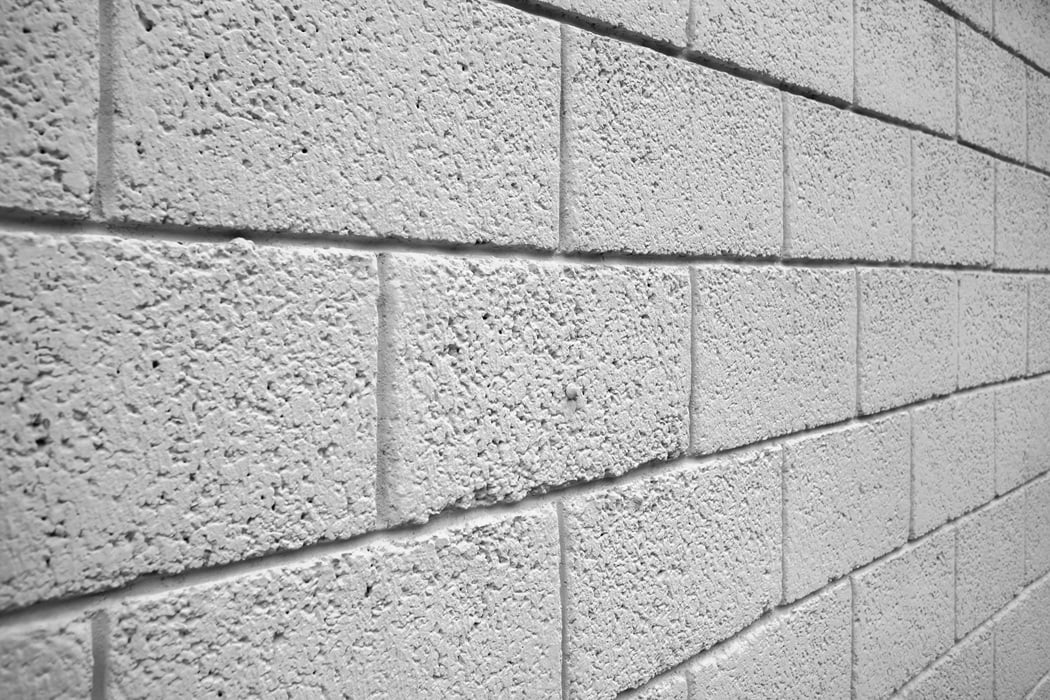
Brick is typically made from clay that is molded and fired at high temperatures. It has been used in construction for centuries because of its durability, fire resistance, and timeless appearance. Concrete blocks, also known as concrete masonry units (CMUs), are made from cement, aggregates, and water. They are larger than bricks and are commonly used for structural walls, foundations, and commercial buildings.
The biggest difference is that brick often serves as both the structural and finished surface, while concrete block usually requires an additional finish such as stucco, stone veneer, or paint.
Quick Answer: Which Is Better?
If curb appeal, architectural style, and low maintenance are your priorities, brick is usually the better choice. If structural strength, faster installation, and lower upfront costs matter most, concrete block is often the better option.
Many modern buildings use a combination of both materials, with concrete block providing structural support and brick veneer delivering an attractive exterior finish.
Are Bricks Better Than Blocks?
Bricks offer several advantages that make them popular for residential homes and decorative exterior walls.
Advantages of Brick
- Classic, attractive appearance.
- Excellent weather resistance.
- High fire resistance.
- Low maintenance requirements.
- Long lifespan, often exceeding 100 years.
- Strong curb appeal and resale value.
Drawbacks of Brick
- Higher material costs.
- More labor-intensive installation.
- Longer construction timelines.
For homeowners who want a finished exterior that requires little upkeep, brick remains one of the most attractive masonry options available.
Is a Concrete Block Wall Better Than a Brick Wall?
Concrete block walls excel in structural applications and larger construction projects.
Advantages of Concrete Block
- Higher compressive strength when reinforced.
- Faster installation.
- Lower material and labor costs.
- Excellent structural performance.
- Ideal for load-bearing walls.
Drawbacks of Concrete Block
- Less visually appealing on its own.
- Usually requires stucco, paint, or veneer.
- Exterior finishes may need maintenance over time.
For commercial buildings, retaining walls, and structural projects, concrete block is often the preferred solution.
Which Is Cheaper: Block or Brick?
- Concrete block is generally less expensive than brick. Because blocks are larger, fewer units are needed, and installation is typically faster. This can significantly reduce labor costs. However, upfront cost is only part of the equation.
Brick often delivers excellent long-term value because it rarely needs painting or refinishing. While a block wall may require periodic maintenance of stucco or paint, a properly installed brick wall can maintain its appearance for decades with minimal upkeep.
What Are the Disadvantages of Block Walls?
- Concrete block walls are durable, but they do have limitations. One of the biggest drawbacks is appearance. Most property owners choose to cover block walls with stucco, stone veneer, or another decorative finish.
Moisture can also become an issue if waterproofing and drainage are not handled properly. In areas like North Jersey, where freeze-thaw cycles are common, trapped moisture can contribute to cracking and deterioration over time. The good news is that proper installation and maintenance can prevent many of these issues.
Which Material Lasts Longer?
Both materials are known for exceptional durability.
Brick Lifespan
Brick walls commonly last 100 years or more when properly installed and maintained. Many historic brick structures remain standing today, with much of their original masonry intact.
Block Lifespan
Concrete block walls can also last 75 to 100 years or longer. Their longevity depends on reinforcement, drainage, waterproofing, and overall construction quality. In most cases, the quality of installation plays a bigger role in lifespan than the material itself.
How Do Brick and Block Handle New Jersey Weather?
North Jersey properties experience a wide range of weather conditions, including heavy rain, snow, ice, humidity, and freeze-thaw cycles. Brick naturally performs well against weather exposure and typically requires very little maintenance. Concrete block can also perform exceptionally well when properly waterproofed and reinforced.
We’ve seen homeowners spend thousands repairing masonry issues that were caused by poor workmanship rather than the material they selected. Choosing an experienced masonry contractor is often just as important as choosing the right material.
The Best of Both Worlds: Block and Brick Together
Many modern construction projects combine both materials. A reinforced concrete block wall provides structural strength, while a brick veneer creates an attractive, weather-resistant exterior. This approach allows property owners to benefit from the strengths of both materials without sacrificing performance or appearance.
It’s a practical solution often used in both residential and commercial construction.
How to Choose the Right Material
Consider the following questions before making your decision:
- Do you want maximum curb appeal? Brick may be the better choice.
- Is budget your primary concern? Concrete block is usually more affordable.
- Do you need a highly structural wall? Reinforced block often performs better.
- Are you looking for minimal maintenance? Brick typically requires less upkeep.
- Will the wall be covered with another finish? Concrete block may be the more practical option.
Frequently Asked Questions
Is a concrete block wall better than a brick wall?
Concrete block walls are generally stronger structurally and more cost-effective to build. Brick walls are often preferred for appearance, weather resistance, and long-term maintenance benefits.
What are the disadvantages of block walls?
Block walls typically require an additional finish, such as stucco or paint, and may experience moisture-related issues if waterproofing is inadequate.
Are bricks better than blocks?
Bricks are better for aesthetics and low maintenance, while blocks are better for structural applications and affordability. The right choice depends on the project.
Which is cheaper, block or brick?
Concrete block is usually less expensive because installation is faster and requires fewer units. Brick often costs more initially but can provide greater long-term value.
Final Thoughts
When comparing brick and concrete block for exterior walls, there is no single winner. Brick offers timeless beauty, excellent weather resistance, and low maintenance. Concrete block provides structural strength, faster installation, and lower upfront costs.
For many projects, combining reinforced block with brick veneer delivers the ideal balance of performance and appearance.
If you’re planning a masonry project and need help deciding which material is right for your property, Pete’s Concrete & Masonry can provide expert guidance and quality craftsmanship built to last. Call Pete’s Concrete & Masonry today at 201-674-1827 to discuss your project and schedule a consultation.