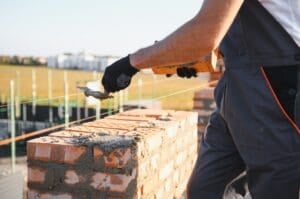
If you’re a New Jersey homeowner planning a new stone patio, brick walkway, retaining wall, or masonry repair, choosing the right season can make a big difference in how well your project holds up over time. Many homeowners wait until damage becomes obvious, only to find that weather affects both the quality of the work and contractor availability. Pete’s Concrete & Masonry helps homeowners plan projects around New Jersey’s climate so their investment stays durable for years to come.
The best time for masonry work in New Jersey is spring (April through May) and fall (September through mid-November). These seasons typically provide temperatures between 50°F and 70°F, allowing mortar and concrete to cure properly while reducing the risk of cracking or weather delays.
Why Weather Matters for Masonry
Masonry doesn’t simply dry; it cures through a chemical process that requires stable temperatures and proper moisture. The ideal temperature range is 50°F to 70°F, with fresh mortar remaining above 40°F for 3 to 7 days after installation. Weather outside these conditions can affect strength:
- Below 40°F: Mortar may not cure or bond properly.
- Above 90°F: Moisture evaporates too quickly, increasing the risk of weak or cracked mortar.
Choosing the right season helps ensure long-lasting stone, brick, and concrete work.

Spring: A Great Time to Start Masonry Projects
Spring is one of the busiest seasons for masonry because homeowners are repairing damage caused by freezing temperatures and preparing outdoor spaces for summer. Spring is ideal for:
- Stone patios
- Walkways
- Retaining walls
- Brick repairs
- Chimney maintenance
Moderate temperatures help mortar cure evenly while allowing you to enjoy your completed project throughout the warmer months.
Is Summer a Good Time for Masonry Work?
Summer projects are possible, but experienced contractors must take extra precautions during periods of extreme heat. High temperatures can cause mortar to dry too quickly before it has time to develop full strength. Professional masons often work earlier in the day, keep materials properly hydrated, and protect fresh masonry from direct sunlight.
One advantage of summer is that contractor schedules may be more flexible compared to the busy spring and fall seasons.
Why Fall Is Often the Best Season
Many masonry professionals consider fall the ideal time for exterior masonry work. Cooler temperatures, lower humidity, and fewer weather interruptions create excellent curing conditions. Fall is especially popular for:
- Foundation repairs
- Retaining walls
- Stone masonry
- Brick restoration
- Walkway replacement
Completing repairs before winter also helps prevent freeze-thaw cycles from causing additional damage.
Can Masonry Work Be Done in Winter?
Yes, but winter projects require specialized equipment and careful planning. Once temperatures consistently fall below 40°F, contractors often need heated enclosures, insulated blankets, or cold-weather mortar additives to ensure proper curing. For most decorative or non-emergency residential projects, waiting until spring is usually the better long-term choice.
How New Jersey’s Climate Affects Masonry
New Jersey experiences freezing winters, humid summers, and frequent freeze-thaw cycles that can slowly damage brick, stone, and concrete. Over time, homeowners may notice:
- Crumbling mortar
- Loose bricks or stones
- Uneven patios
- Leaning retaining walls
- Water intrusion
Repairing these problems during the right season helps prevent more extensive and expensive repairs later.
Signs It’s Time to Schedule Masonry Work
Don’t wait until small issues become major repairs. Contact a masonry contractor if you notice:
- Cracked or crumbling mortar
- Loose bricks or stones
- Uneven patios or walkways
- Leaning retaining walls
- Chimney deterioration
Early repairs are usually more affordable and help extend the life of your masonry.
Why Choose Pete’s Concrete & Masonry?
The right season is only part of a successful masonry project. Quality materials, proper installation, and experienced craftsmanship are just as important. Pete’s Concrete & Masonry understands how New Jersey weather affects every stage of construction. Whether you’re installing a new patio, restoring stonework, repairing brickwork, or building a retaining wall, Pete and his team focus on delivering durable results that withstand the state’s changing seasons.
Frequently Asked Questions
What is the best time of year for masonry work in New Jersey?
Spring (April through May) and fall (September through mid-November) provide the best conditions because temperatures are mild, allowing mortar and concrete to cure properly.
Can masonry work be done in cold weather?
Yes, but temperatures below 40°F require specialized equipment and cold-weather techniques. Most homeowners achieve better results by scheduling projects during spring or fall.
What is the best temperature for masonry work?
The ideal temperature range is 50°F to 70°F. Fresh mortar should remain above 40°F for several days after installation to develop a strong bond.
Is summer too hot for masonry work?
Not necessarily. Experienced contractors can complete summer projects successfully by managing heat exposure and using proper curing methods, though extreme temperatures require extra care.
Schedule Your Masonry Project Today

Choosing the right time of year helps your masonry project last longer, look better, and avoid unnecessary repairs. Whether you’re planning a new stone patio, repairing brickwork, or installing a retaining wall, Pete’s Concrete & Masonry can help you determine the best time to begin based on your property’s needs and New Jersey’s seasonal conditions.
Call Pete’s Concrete & Masonry today at 201-674-1827 to schedule a consultation and get expert masonry work built to last.