Masonry Repair Timeline in New Jersey: What to Expect
For North Jersey homeowners dealing with cracked mortar, loose stones, deteriorating bricks, or a leaning masonry section, one of the first questions is usually, “How long will the repair take?” You may be worried about rain entering the wall, damage getting worse, or part of your property being unusable for weeks. Most residential masonry repairs take one to five working days, although larger restorations may require several weeks. Pete’s Concrete & Masonry helps property owners identify the actual cause of the damage, choose the right repair, and understand the timeline before work begins.
How Long Does Masonry Repair Usually Take?
The physical repair time depends primarily on the size of the damaged area and whether the masonry is cosmetic, structural, or both. Typical timelines include:
- Small crack filling or minor patching: One to three hours
- Replacing a few bricks or stones: One day
- Minor repointing: One to two days
- Stone wall or single masonry wall repair: Two to five days
- Partial chimney rebuild: Two to five days
- Large façade or extensive wall restoration: One to three weeks
These estimates cover active construction. The repaired mortar will continue curing after the crew leaves. A small crack beside a front step, for example, may be repaired in one visit. A bulging stone wall is different. It may need to be dismantled, the underlying drainage or footing problem corrected, and the original stones reset. Rushing that kind of repair would only hide the problem temporarily.
What Factors Affect the Masonry Repair Timeline?
Size and Severity of the Damage
- Surface cracks and isolated mortar failure can usually be corrected quickly. Loose masonry units, wall movement, water damage, or foundation-related problems require more investigation and preparation. A crack is not always the whole problem. It may be a visible symptom of soil settlement, trapped water, failed flashing, or repeated freeze-thaw movement.
Type of Masonry Material
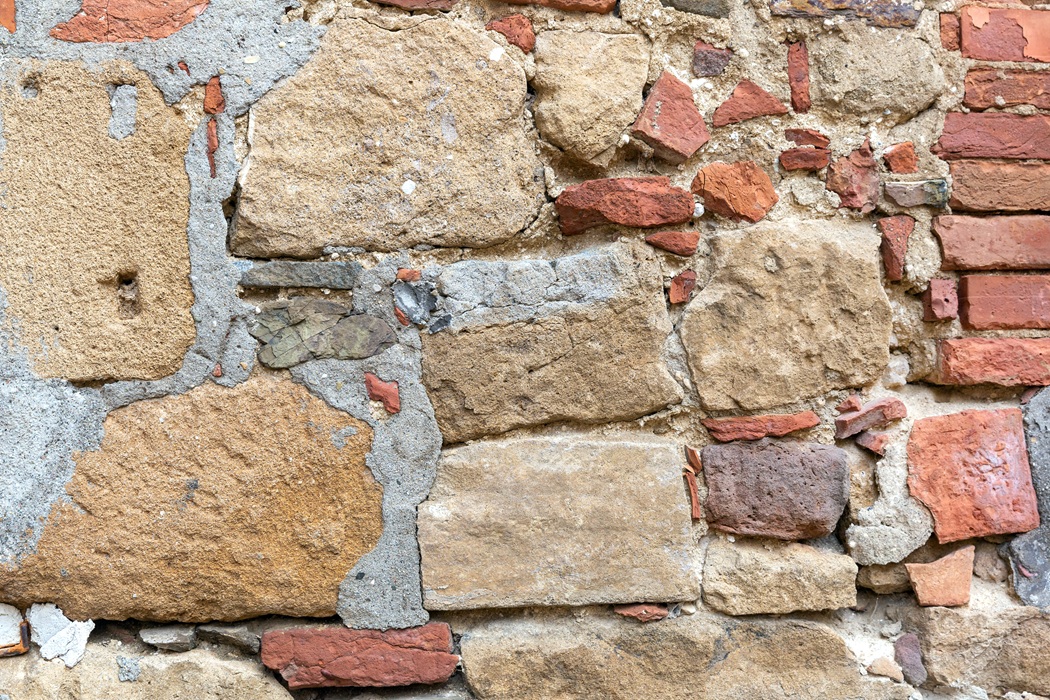
Brick, concrete block, natural stone, cultured stone, and historic masonry require different repair techniques. Stone masonry often takes longer because individual stones vary in shape and size. A mason may need to carefully remove, clean, fit, and reset each piece while maintaining the wall’s original pattern.
Material and Mortar Matching
- Replacing a common modern brick may be straightforward. Finding an exact match for an older brick, natural stone, or custom mortar color can add days or even weeks before work begins. Mortar should also be compatible with the existing masonry. The National Park Service warns that replacement mortar that is too hard can contribute to damage in older brick or stone. Matching the mortar’s strength, composition, color, and texture is especially important in historic masonry.
Access and Setup
Scaffolding tight side yards, landscaping, roof access, utility lines, and occupied commercial spaces can affect production speed. A ground-level walkway repair might begin almost immediately. Chimney or upper-wall repairs usually require additional time for safe access and site protection.
North Jersey Weather
- Rain can stop outdoor masonry work because excess water may weaken or wash out fresh mortar. Extreme heat can cause mortar to dry too quickly, while freezing temperatures can interfere with strength development.
North Jersey’s freeze-thaw cycles are particularly hard on masonry. Moisture enters small openings, freezes, expands, and gradually pushes mortar or stone apart. Contractors may use coverings, controlled moisture, or cold-weather protection, but those measures can extend the schedule.
What Are the Stages of Masonry Repair?
A lasting repair generally involves more than placing mortar over a visible crack.
1. Inspection and Diagnosis
The mason determines whether the damage involves mortar joints, individual masonry units, water intrusion, settlement, drainage, or structural movement.
2. Site and Surface Preparation
Furniture, plants, vehicles, and nearby surfaces may need protection. Loose mortar, damaged bricks, or unstable stones are carefully removed.
3. Cleaning and Material Preparation
Dust and debris must be cleared so the new mortar can bond correctly. Replacement stones or bricks are selected, and mortar is mixed to suit the existing structure.
4. Rebuilding, Resetting, or Repointing
The mason fills prepared joints, replaces damaged units, or rebuilds the affected section. During repointing, deteriorated mortar is removed to an appropriate depth before new mortar is installed. Simply smearing mortar over the surface is not a durable repair.
5. Finishing and Curing
The joints are tooled to achieve the appropriate profile and appearance. The work is then protected from excessive sun, rain, wind, or freezing temperatures while the mortar develops strength.
How Long Does Masonry Mortar Take to Cure?
- Fresh mortar normally becomes firm enough for limited contact within approximately 24 to 48 hours, but cement-based materials commonly continue developing strength for about 28 days. The American Cement Association notes that continued hydration allows cement-based materials to gain strength after placement.
This does not mean the repaired area must remain untouched for an entire month. In many cases, normal access can resume much sooner. However, the masonry should not be pressure-washed, heavily loaded, struck, or exposed to unnecessary stress during early curing. Historic lime-based mortars may require a slower initial curing period. Their performance depends heavily on moisture, temperature, airflow, and the mortar formulation.
Can Masonry Repair Be Completed in One Day?
Yes. Minor repointing, a few damaged bricks, small stone resets, and nonstructural patches can often be completed in one day. However, a fast repair is only valuable when it is done correctly. Too many homeowners pay for a quick surface patch, only to see the same crack reopen after another New Jersey winter. If the wall is moving or water is entering from behind it, the underlying cause must be addressed.
When Should Masonry Damage Be Repaired?
Schedule an inspection when you notice:
- Crumbling or missing mortar.
- Loose bricks or stones.
- Stair-step cracking.
- Bulging or leaning walls.
- Water stains or interior dampness.
- Repeated cracking in the same area.
- Gaps around steps, chimneys, or retaining walls.
Falling stones, severe bulging, or rapid wall movement should be treated as urgent safety concerns.
Get a Clear Masonry Repair Timeline
Most residential masonry repairs are completed within one to five days, but the correct timeline depends on access, weather, material availability, damage severity, and curing requirements. A proper inspection is the best way to avoid surprises.
Pete’s Concrete & Masonry provides dependable masonry repair and stone masonry services in North Jersey. Pete focuses on careful workmanship, honest communication, and repairs designed to withstand local weather rather than merely covering visible damage.
To discuss cracked mortar, damaged brick, loose stone, chimney deterioration, or another masonry concern, call 201-674-1827 to request an evaluation.