Why Masonry Cracks Form and How Professionals Fix Them
If you own a home in North Jersey and you’ve started noticing cracks running through your brick, stone, or mortar joints, you’re probably wondering whether it’s just cosmetic or the start of a serious structural problem. Many homeowners ignore small masonry cracks at first, only to realize months later that moisture, freeze-thaw damage, or foundation movement has made the repairs much more expensive.
Pete’s Concrete & Masonry helps homeowners throughout New Jersey identify the real cause of masonry cracking and properly repair the problem before it spreads or further weakens the structure. Masonry cracks are incredibly common in New Jersey homes. Between shifting soil, heavy seasonal moisture, humid summers, and freezing winters, masonry structures take a beating year after year. The good news? Most cracks can be repaired effectively when caught early.
What Causes Masonry Cracks?
Masonry cracks develop when stress exceeds what the brick, stone, concrete, or mortar can handle. Sometimes the issue is minor. Other times, it points to deeper structural movement. Several causes recur in homes across Bergen County, Passaic County, Morris County, and surrounding areas.
Foundation Settlement and Soil Movement
One of the most common causes of masonry cracks is foundation settlement. As the soil beneath a home shifts, compresses, or erodes over time, the foundation moves slightly. That movement transfers stress into brick walls, stone veneers, chimneys, patios, and retaining walls.
This often creates:
- Stair-step cracks in brick mortar joints
- Diagonal cracks near windows and doors
- Uneven or widening wall cracks
- Separated masonry corners
In New Jersey, clay-heavy soils are especially problematic because they expand during wet conditions and shrink during dry periods. Too many homeowners spend thousands repairing visible cracks in their brick without addressing the underlying soil or drainage issues. The cracks usually come back.
Freeze-Thaw Cycles in New Jersey
New Jersey winters are rough on masonry. Water enters tiny pores in brick, stone, or mortar. When temperatures drop below freezing, that trapped water expands. Over time, the pressure causes cracking, flaking, and surface deterioration, known as spalling.
This is especially common on:
- Chimneys
- Front steps
- Stone veneers
- Retaining walls
- Walkways
- Older brick homes
The National Park Service explains how moisture infiltration and freeze-thaw cycling accelerate masonry deterioration in historic and residential buildings alike. National Park Service masonry preservation guidance.
Water Damage and Moisture Intrusion
Water is one of masonry’s biggest enemies. Poor drainage, clogged gutters, leaking downspouts, or improper grading can direct water directly toward masonry walls and foundations. Over time, moisture weakens mortar joints and causes cracking.
Warning signs often include:
- White chalky staining (efflorescence)
- Crumbling mortar
- Damp basement walls
- Flaking brick surfaces
- Horizontal cracking
Sometimes homeowners think they only need masonry repair when the real issue starts with drainage correction.
Thermal Expansion and Seasonal Temperature Changes
- Brick and stone naturally expand in heat and contract in cold weather. Without proper expansion joints, repeated movement creates stress fractures over time. This is particularly common in long masonry walls, patios, and retaining walls exposed to direct sunlight.
During hot New Jersey summers, masonry materials can expand significantly during the day and cool rapidly overnight. That constant movement slowly weakens mortar joints.
Poor Construction or Aging Mortar
- Older mortar eventually deteriorates. Homes built decades ago often contain lime-based mortar that naturally softens and erodes over time. In other cases, improper mortar mixing during construction can lead to premature cracking.
Using the wrong mortar during repairs can also create problems. Modern hard cement mortar installed against older soft brick may actually damage surrounding masonry instead of protecting it. That’s why proper mortar matching matters during repointing work.
Corroded Steel Lintels Above Windows and Doors
Many homeowners are surprised to learn that rusting steel can crack masonry. Steel lintels above windows and doors support the weight of the brick above openings. As steel rusts, it expands. That expansion pushes outward against surrounding masonry and creates horizontal cracking.
Common signs include:
- Horizontal cracks above windows
- Bulging brickwork
- Rust staining
- Loose bricks near openings
This issue is more common in older homes with long-term moisture infiltration.
When Should You Worry About Cracks in Brick?
Not every crack means structural failure. Some are purely cosmetic. However, certain cracks deserve immediate professional evaluation. You should contact a masonry contractor if you notice:
- Cracks wider than 1/4 inch
- Stair-step cracking
- Horizontal foundation cracks
- Bowing or leaning walls
- Cracks growing over time
- Water leaking through masonry
- Loose or displaced bricks
- Cracks near doors or windows that suddenly stick
Waiting rarely makes structural masonry issues cheaper to fix.
Types of Masonry Cracks and What They Mean
Hairline Cracks
- Small surface cracks in mortar or concrete are often caused by natural curing or minor shrinkage. These are usually cosmetic but should still be monitored.
Stair-Step Cracks
These zig-zag cracks follow mortar joints and often indicate foundation settlement or soil movement.
Vertical Cracks
- Vertical cracks may result from settling or thermal expansion. Some are minor, while others indicate structural movement.
Horizontal Cracks
Horizontal cracking is more serious and can signal hydrostatic pressure, foundation stress, or failing steel supports.
Cracks Through Bricks or Stone
- When the masonry units themselves split, not just the mortar, it often points to larger structural movement or severe freeze-thaw damage.
How Are Masonry Cracks Fixed?
The right repair depends entirely on the cause and severity of the crack. A proper inspection matters because sealing a structural crack without correcting the underlying issue usually leads to repeat failure.
Repointing Hairline Mortar Cracks
For small non-structural cracks confined to mortar joints, repointing is often the best solution. This process involves:
- Removing deteriorated mortar.
- Cleaning the joints thoroughly.
- Applying new matching mortar.
- Finishing the joints to match the surrounding masonry.
Repointing restores structural integrity while improving appearance. Homeowners searching for long-term brick and stone repair often benefit from professional masonry contractor services before cracks worsen.
Flexible Sealants for Small Moving Cracks
Some minor exterior cracks benefit from flexible masonry sealants designed to move with temperature changes. These products help prevent moisture intrusion while allowing limited movement. However, sealants should never be used to hide serious structural movement.
Crack Stitching for Structural Stability
For medium structural cracks, contractors may use crack stitching or wall stitching. This repair method involves:
- Cutting channels into mortar joints.
- Installing stainless steel helical bars.
- Embedding the bars with structural grout.
The bars redistribute structural loads and stabilize the wall. Crack stitching is commonly used on brick walls, chimneys, and retaining walls experiencing settlement-related cracking.
Replacing Damaged Bricks or Stone
When bricks themselves are broken, individual masonry units often need to be replaced. Professionals carefully remove damaged materials and install matching replacements to maintain structural stability and visual consistency. Matching older brick color and texture can be tricky. Experienced masonry contractors know how to blend repairs so they don’t stand out awkwardly.
Foundation Underpinning for Severe Settlement
If foundation movement caused the cracking, stabilization may be necessary before masonry repairs begin. Underpinning can involve:
- Steel push piers
- Helical piers
- Foundation reinforcement
- Soil stabilization
Without first correcting the foundation issue, masonry cracks will often return. The International Association of Certified Home Inspectors also notes that stair-step and widening cracks frequently indicate structural movement requiring professional evaluation.
Can You Prevent Masonry Cracks?
Some natural settling is unavoidable, but homeowners can reduce the risk of major masonry damage by:
- Keeping gutters clean.
- Directing water away from foundations.
- Repairing drainage issues quickly.
- Sealing masonry surfaces when appropriate.
- Addressing small cracks early.
- Scheduling periodic masonry inspections.
In North Jersey, freeze-thaw prevention and moisture control are especially important.
Why Professional Masonry Repair Matters
- Masonry repair is one of those projects where experience really matters. Using the wrong mortar, patching over movement, or ignoring water infiltration can turn a manageable repair into a major structural issue later.
Pete’s Concrete & Masonry works with homeowners across New Jersey to identify the root cause of masonry cracking, not just the visible symptom. Whether it’s deteriorating mortar joints, cracked stonework, chimney damage, or retaining wall movement, the team focuses on repairs built to handle real New Jersey weather conditions.
- And honestly, homeowners appreciate that Pete himself often answers the phone and walks through the project directly instead of pushing people through a sales process.
FAQs About Masonry Cracks
What causes masonry cracks?
Masonry cracks are commonly caused by foundation settlement, soil movement, moisture intrusion, freeze-thaw cycles, thermal expansion, aging mortar, or corroded steel supports.
How do you fix cracks in masonry?
Repair methods depend on severity. Minor cracks may only require repointing or sealant application, while structural cracks may require crack stitching, brick replacement, or foundation stabilization.
What is the main reason for cracks in masonry joints?
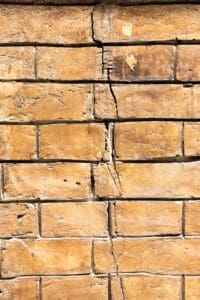
Foundation movement and moisture damage are two of the most common reasons mortar joints crack over time.
When should I worry about cracks in brick?
You should be concerned if cracks are widening, horizontal, stair-step shaped, leaking water, or causing walls to bow or shift.
Contact Pete’s Concrete & Masonry
Not sure whether the cracks in your brick, stone, or mortar are cosmetic or structural? Pete’s Concrete & Masonry can inspect the issue, identify the root cause, and recommend the right repair solution before the damage spreads further.
Whether you need repointing, stone masonry repair, retaining wall restoration, or structural crack repair, their team delivers durable workmanship built for New Jersey conditions. Call Pete’s Concrete & Masonry today at 201-674-1827 or visit Pete’s Concrete & Masonry to schedule an estimate.