If you own a home with brick, stone, or masonry features in New Jersey, chances are you’ve noticed mortar joints starting to crack, crumble, or discolor over time. Maybe your chimney looks worn out, your retaining wall is showing gaps, or your front walkway suddenly looks uneven after another rough winter freeze-thaw cycle. The problem is that many homeowners hear terms like “repointing” and “tuckpointing” and assume they mean the same thing.
They don’t. Understanding the difference can help you avoid unnecessary repairs, water damage, and expensive structural problems. At Pete’s Concrete & Masonry, we help homeowners across New Jersey protect and restore their masonry with repair solutions that enhance appearance and long-term durability.
Why Mortar Damage Should Never Be Ignored
Bricks and stones are often stronger than the mortar holding them together. Over time, moisture, freezing temperatures, and seasonal expansion wear the mortar down first. In New Jersey, that process happens faster than many homeowners expect. Snow, ice, heavy rain, and humidity constantly attack masonry joints. Once the mortar begins failing, water starts working its way deeper into the structure.
Too many homeowners spend thousands replacing damaged walls or chimneys when the original issue started with a few cracked mortar joints that could have been repaired early.
Common problems caused by deteriorating mortar include:
- Water leaks
- Loose bricks or stones
- Chimney instability
- Interior moisture damage
- Mold growth
- Bowing retaining walls
- Foundation shifting
That’s why services like repointing and tuckpointing matter.
What Is Repointing?
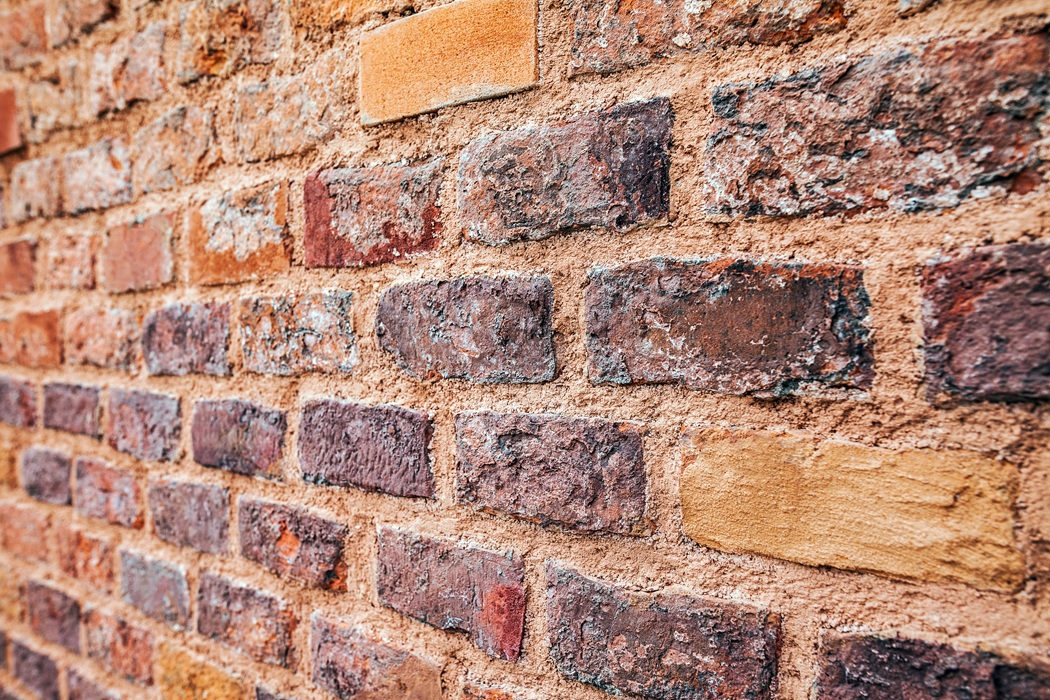
Repointing is a masonry repair process that removes damaged or deteriorated mortar and replaces it with new mortar to restore strength and seal out moisture. The main goal of repointing is structural repair and protection.
During repointing, a masonry contractor carefully grinds or chisels out failing mortar joints before applying fresh mortar that matches the existing masonry as closely as possible. Unlike cosmetic upgrades, repointing focuses on stabilizing the structure and preventing further damage.
Signs Your Masonry Needs Repointing
Your home may need repointing if you notice:
- Cracked mortar joints
- Crumbling or missing mortar
- Loose bricks or stones
- Water entering through masonry
- White staining (efflorescence)
- Gaps around chimneys or retaining walls
- Mortar that feels soft or sandy
Repointing is commonly used on:
- Chimneys
- Stone walls
- Brick facades
- Foundations
- Retaining walls
- Walkways and steps
For example, many older North Jersey homes have brick chimneys that begin deteriorating after decades of freeze-thaw exposure. Repointing helps restore those joints before major rebuilding becomes necessary.
How Repointing Works
The repointing process usually includes:
- Removing damaged mortar
- Cleaning the joints thoroughly
- Mixing compatible mortar
- Applying new mortar carefully
- Finishing and curing the joints properly
A skilled contractor must correctly match the mortar strength. Using mortar that is too hard can actually damage older brick or stone. That’s one reason experienced masonry contractors matter so much.
What Is Tuckpointing?
Tuckpointing is a decorative masonry technique designed to improve the appearance of brickwork by creating the illusion of perfectly even, narrow mortar joints. While tuckpointing can include some mortar repair, its primary purpose is cosmetic enhancement.
The process uses two different mortar colors:
- A base mortar that closely matches the brick color.
- A thin contrasting line, usually white or light-colored, inserted into the center of the joint.
This creates crisp, clean lines that make masonry look sharper and more uniform.
Why Homeowners Choose Tuckpointing
Tuckpointing is popular for:
- Historic homes
- Decorative brick facades
- Front-facing walls
- High-visibility chimneys
- Luxury exterior upgrades
Some homeowners choose tuckpointing simply because weathered brickwork starts making the entire property look older. A clean tuckpointed facade can dramatically improve curb appeal without fully rebuilding the wall.
How Tuckpointing Creates a Clean, Sharp Look
Tuckpointing requires an incredible amount of precision. After removing old mortar, the mason applies colored mortar that blends with the brick itself. Then, a thin contrasting ribbon is carefully added to mimic perfectly straight mortar joints. It’s detailed craftsmanship, not just basic repair work. That precision is also why tuckpointing usually costs more than standard repointing.
Repointing vs. Tuckpointing: What’s the Real Difference?
The easiest way to understand the difference is this:
- Repointing focuses on structural repair
- Tuckpointing focuses on appearance and visual enhancement
Here’s a closer breakdown:
| Feature | Repointing | Tuckpointing |
| Main Purpose | Repair damaged mortar | Improve appearance |
| Structural Benefit | High | Moderate |
| Appearance Focus | Minimal | High |
| Mortar Colors | Usually one | Typically two |
| Cost | Lower overall | Higher due to detail work |
| Best For | Failing masonry | Cosmetic upgrades |
If your wall is leaking or unstable, repointing is usually the priority. If your masonry is structurally sound but visually worn, tuckpointing may be the better choice.
Is Tuckpointing the Same as Repointing?
No. Although the two processes are related, they are not the same. Many people use the terms interchangeably because both involve mortar joint work. However, repointing is primarily about repairing and sealing masonry, while tuckpointing is largely about improving visual appearance.
Think of it this way:
- Repointing fixes the problem
- Tuckpointing refines the appearance
In some projects, contractors may perform both services together.
Why Do They Call It Repointing?
The term “repointing” comes from the process of renewing the “points,” or external mortar joints, between bricks and stones. Historically, masons referred to finishing mortar joints as “pointing.” When those joints wear out and need replacement, the process becomes “repointing.”
You may also hear it called:
- Pointing
- Pointing up
- Brick pointing
When Should Repointing Be Done?
Repointing should be done as soon as mortar deterioration becomes visible. Waiting too long can lead to:
- Brick shifting
- Water penetration
- Structural instability
- Expensive rebuilding
Most masonry experts recommend inspecting mortar joints every few years, especially in climates like New Jersey, where winter weather is hard on masonry.
Good times to schedule repointing include:
- Spring inspections after winter
- Before selling a home
- After noticing leaks or cracks
- When mortar becomes loose or powdery
Why Is Repointing So Expensive?
Many homeowners are surprised by the cost of repointing, but the work is extremely labor-intensive. Proper repointing involves:
- Careful mortar removal without damaging brick
- Skilled mortar matching
- Precision hand application
- Detailed finishing work
- Proper curing procedures
Cheap repointing often causes more harm than good. Here’s where homeowners get into trouble: hiring inexperienced contractors who use incorrect mortar mixes or rush the process. That can trap moisture inside the masonry and accelerate deterioration.
Experienced masonry contractors understand how older brick and stone systems behave, especially in historic or weather-exposed homes.
Which Service Is Right for Your Home?
You likely need repointing if:
- Mortar is cracked or missing
- Water is entering the masonry
- Bricks feel loose
- Structural integrity is a concern
You may want tuckpointing if:
- Your brickwork looks aged or uneven
- You want improved curb appeal
- The structure itself is still solid
- You own a historic or decorative brick home
In many cases, a professional masonry inspection is the best place to start. At Pete’s Concrete & Masonry, homeowners often call, thinking they need full wall replacement when targeted mortar restoration can solve the issue for far less.
Why New Jersey Weather Makes Masonry Repairs Important
New Jersey homes deal with constant freeze-thaw cycles, especially during winter. Water enters tiny mortar cracks, freezes overnight, expands, and slowly breaks masonry apart from the inside. Over time, even small mortar gaps can turn into major structural issues.
That’s why chimney repairs, retaining wall maintenance, and stone masonry restoration are so common throughout Bergen County, Passaic County, Essex County, and surrounding areas. Preventative masonry maintenance almost always costs less than full reconstruction.
Trust Pete’s Concrete & Masonry for Expert Masonry Repair
Whether your masonry needs structural repointing or detailed tuckpointing work, choosing the right contractor matters. At Pete’s Concrete & Masonry Contractor Services, the team works on everything from ageing chimneys and retaining walls to decorative brick facades and stone walkways. Pete and his crew understand how New Jersey weather affects masonry, and they focus on repairs that look great and hold up over the long term.
If your brick or stone surfaces are starting to crack, crumble, or lose their appearance, now is the time to address the issue before it gets worse. Call Pete’s Concrete & Masonry today at 201-674-1827 to schedule a masonry inspection and learn whether repointing, tuckpointing, or another repair solution is right for your property.
Frequently Asked Questions
Is tuckpointing stronger than repointing?
Not necessarily. Repointing is generally more focused on restoring structural integrity, while tuckpointing focuses more on visual enhancement.
How long does repointing last?
Quality repointing can last 25 years or more, depending on weather conditions, mortar quality, and maintenance.
Can you repoint stone masonry?
Yes. Repointing is commonly used on stone walls, foundations, chimneys, and retaining walls.
Does tuckpointing stop leaks?
It can help reduce water penetration if mortar joints are repaired during the process, but tuckpointing alone is mainly cosmetic.
Can damaged mortar cause structural problems?
Absolutely. Failing mortar can allow moisture intrusion and lead to loose bricks, wall movement, and long-term masonry deterioration.