For New Jersey homeowners choosing stone for new or replacement outdoor steps, appearance is only part of the decision. The wrong stone can become slippery in rain, absorb water, or deteriorate after repeated winter freeze-thaw cycles. That can turn an attractive front entry into an expensive repair project.
Pete’s Concrete & Masonry helps homeowners choose and install stone steps that balance durability, traction, drainage, and the property’s architectural style, so the finished stairs are built for real North Jersey conditi
ons, not just showroom appeal.
What Is the Best Type of Stone for Outdoor Steps?
- Granite is generally the best all-around stone for outdoor steps because it is extremely hard, durable, weather-resistant, and able to handle heavy foot traffic. For New Jersey properties, a thermal or flamed granite finish is particularly useful because its texture improves traction when the surface gets wet.
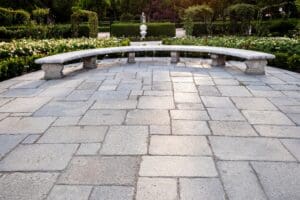
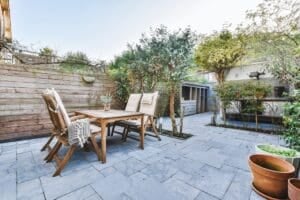
Bluestone is a very close alternative and, for many North Jersey homes, may actually be the better aesthetic choice. It provides excellent natural traction and has the classic blue-gray appearance commonly seen on Northeast walkways, stoops, patios, and front entrances. Dense granite and bluestone are especially suitable for climates that freeze regularly because they are less vulnerable than softer, more porous stones to freeze-thaw damage.
Best Stones for Outdoor Steps
Granite: Best for Maximum Durability
- If longevity is your main priority, start with granite. Granite has high strength, low water absorption, and excellent resistance to abrasion and winter weather. Those qualities make it particularly useful for front steps that see people, deliveries, snow removal, and everyday traffic year after year.
A textured granite tread also provides reliable footing. Avoid polished granite outdoors, however. A glossy surface that looks great indoors can become dangerously slick when rain, snow, or ice is involved. Best for: busy front entrances, exposed staircases, commercial properties, and homeowners prioritizing longevity.
Bluestone: Best for a Classic New Jersey Look
- Bluestone is one of the most popular natural stones for outdoor steps and hardscaping in New Jersey. Local suppliers commonly recommend it for steps, landings, walkways, and patios because of its durability and slip-resistant texture.
Natural-cleft bluestone has subtle surface texture, while thermal bluestone offers a more uniform appearance with good traction. It also pairs especially well with brick, traditional masonry, Colonial-style homes, and natural stone walls.
- Best for: front stoops, garden stairs, walkways, traditional homes, and projects where appearance and performance matter equally.
Limestone: Best for Clean, Formal Designs
Limestone provides a softer, more uniform appearance than granite and can work beautifully with formal or contemporary architecture. One catch: limestone varies considerably in density and porosity. Softer varieties can absorb more moisture and may be more susceptible to deterioration when exposed to repeated freezing, thawing, and deicing salts. For an outdoor staircase in North Jersey, the specific limestone needs to be suitable for exterior freeze-thaw exposure rather than selected on appearance alone.
- Best for: sheltered or moderately traveled steps where a clean architectural appearance is important.
Sandstone: Best for Warm, Natural Character
- Sandstone offers warm brown, tan, red, and earthy tones that work well in gardens and rustic landscapes. Its natural texture can also create good grip. But sandstone is generally softer than granite, and its durability varies significantly depending on the stone’s density and water absorption.
For exposed New Jersey steps, choose dense, frost-resistant sandstone carefully. Reserve more porous varieties for milder environments or less demanding applications.
- Best for: garden steps, decorative stairs, and properties where natural color variation is a priority.
Which Stone Is Best for Outdoor Stairs in New Jersey?
- For most North Jersey homes, we would narrow the decision to granite or bluestone. Choose granite when maximum durability, heavy use, and low maintenance come first. Choose bluestone when you want excellent durability and traction with a more traditional Northeast appearance.
Even premium stone can fail when the structure underneath it is wrong. A beautiful tread installed over an unstable base or poorly draining masonry can shift, crack, or hold water. That’s why you need to consider stone selection and masonry construction together.
What Makes a Good Stone for Exterior Steps?
Before choosing based on color, evaluate four practical qualities:
- Freeze-thaw resistance: Dense stone absorbs less water and generally performs better through New Jersey winters.
- Slip resistance: Natural-cleft, thermal, flamed, brushed, or similarly textured surfaces provide better outdoor traction.
- Strength: Stair treads must withstand concentrated foot traffic and exposed edges.
- Water resistance: Lower absorption reduces moisture entering the stone before temperatures drop.
Avoid polished finishes on exposed stairs. Exterior-stair guidance consistently emphasizes textured surfaces because wet polished stone can create a slipping hazard.
Proper Installation Matters as Much as the Stone
- Too many homeowners focus entirely on choosing granite versus bluestone while overlooking the base beneath the steps. Outdoor masonry in New Jersey must withstand rain, snow, frost, and soil movement. Water should not remain trapped beneath or on top of the treads. Steps need adequate structural support, properly prepared foundations, secure joints, and drainage that directs water away from vulnerable areas.
The treads should also be installed with appropriate drainage rather than allowing water to pool on the walking surface. Freeze-thaw damage becomes much more likely when masonry repeatedly becomes saturated before freezing.
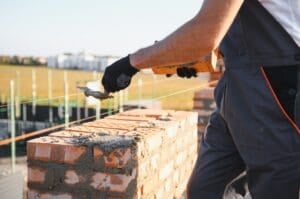
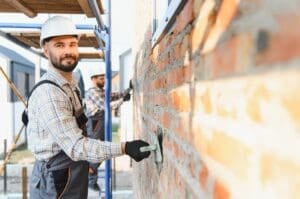
- This is one reason professional stone masonry and masonry contractor services can make a difference. The goal isn’t simply to set attractive pieces of stone in place; it is to build the entire staircase so the stone and supporting masonry work together.
What Material Is Best for Outdoor Steps?
- Natural stone isn’t the only option. Concrete and concrete pavers can also produce durable exterior stairs. But for homeowners seeking a premium, long-lasting appearance, natural stone remains difficult to beat.
Granite offers exceptional strength, while bluestone delivers one of the best combinations of durability, grip, and traditional New Jersey character. Your final choice should reflect the home’s architecture, foot traffic, sun and moisture exposure, existing masonry, maintenance expectations, and budget.
Build Outdoor Stone Steps for New Jersey Conditions
- Outdoor steps are something you use every day, so choosing stone based on looks alone can be a costly mistake. For most New Jersey properties, granite and bluestone are the leading choices, as long as the stone has an appropriate textured finish and is installed over a properly constructed, well-draining base.
If you’re planning new stone steps or replacing deteriorating masonry, Pete’s Concrete & Masonry can help you select materials that complement your property while standing up to North Jersey weather. Call Pete’s Concrete & Masonry at 201-674-1827 to discuss your outdoor stone step or masonry project.