North Jersey Masonry Lifespan: Brick, Block & Stone Explained
If you’re a North Jersey homeowner investing in a patio, retaining wall, driveway, or foundation, you’re probably asking one big question: how long is this actually going to last? The reality is that many people spend thousands on masonry work only to see cracks, shifting, or deterioration much sooner than expected, especially in the region’s harsh winters and constant freeze-thaw cycles. The good news is that when done right, masonry can last decades or even generations. With the right materials, proper installation, and ongoing maintenance, a trusted local contractor can help you build something that truly stands the test of time.
Why Masonry Lifespan Varies So Much in North Jersey
North Jersey is one of the toughest environments for masonry. Between freezing winters, humid summers, heavy rainfall, and road salt exposure, your brick, block, or stone installation is constantly expanding, contracting, and absorbing moisture. That’s what makes proper installation so critical.
A well-built stone patio in Bergen County can last 100+ years. The same patio, poorly installed with bad drainage, might start failing in under 10. That gap is everything.
Average Lifespan of Common Masonry Materials
Let’s break down what you can realistically expect in North Jersey conditions.
Brick Installations
- Solid Brick Masonry: 100–150+ years
- Brick Veneer: 50–100 years
Clay brick is incredibly durable and resistant to decay. In fact, many older homes across Passaic and Morris County still have original brickwork standing strong after a century. However, the mortar joints between bricks are the weak point. Without maintenance, they begin to break down.
Concrete Block (CMU)
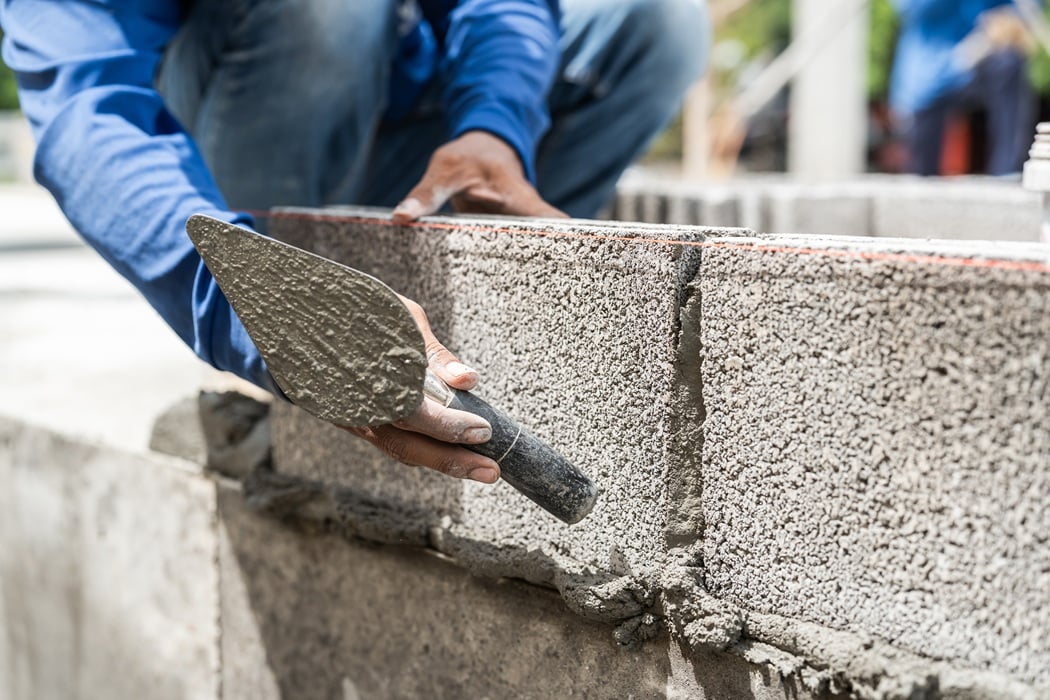
- It has a typical lifespan of 50–100 years. Concrete masonry units are commonly used for foundations and structural walls. They’re strong and reliable, but only if they’re properly waterproofed. Water intrusion is the biggest threat here. Once moisture gets into the block and freezes, deterioration accelerates quickly.
Natural Stone Masonry
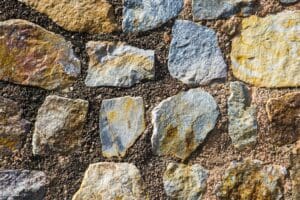
It has a typical lifespan of 100+ years. Stone is the gold standard for longevity. Bluestone patios, granite steps, and natural stone walls can easily outlast the home itself when installed correctly. But here’s a mistake we see too often: homeowners assume stone is “maintenance-free.” It’s not. Poor base prep or improper sealing can still lead to shifting and water damage.
Segmental Retaining Walls (Block Systems)
- They have an average lifespan of 25–50+ years. These are extremely common in North Jersey landscapes. When installed properly with drainage systems, they perform well. But when corners are cut – especially with base compaction or drainage – these walls can start leaning or collapsing within just a few years.
Manufactured Stone Veneer
On average, manufactured stone veneer has an average lifespan of 30–50 years. While more affordable, manufactured stone doesn’t match the longevity of natural materials. It’s also more sensitive to moisture issues, especially in freeze-thaw climates like New Jersey.
The Biggest Threat: Freeze-Thaw Cycles
Freeze-thaw cycles are the number one reason masonry fails in North Jersey. Water seeps into small pores and cracks. When temperatures drop below freezing, that water expands by about 9 percent. That expansion creates internal pressure, leading to cracking, spalling, and eventually structural damage.
Now repeat that cycle dozens of times each winter. That’s why proper drainage, sealing, and material selection are absolutely non-negotiable.
Other Factors That Impact Masonry Lifespan
Poor Base Preparation
- Especially for patios and retaining walls, the base is everything. If the ground isn’t properly excavated, compacted, and layered with the right materials, the entire structure becomes unstable. This is one of the most common reasons installations fail early.
Mortar Joint Deterioration
Brick and stone structures rely on mortar joints to hold everything together. In North Jersey, these joints typically need repointing every 15–20 years. Skip that, and you risk water infiltration and structural weakening.
Water Drainage Issues
- Water is the silent destroyer of masonry. Without proper grading, drainage systems, or weep holes, moisture builds up behind walls and beneath surfaces. Over time, that pressure leads to cracks, bulging, and collapse.
Road Salt Exposure
Driveways and walkways in areas like Bergen County take a beating from road salt every winter. Salt accelerates surface deterioration, especially in concrete. Brick and stone tend to handle it better, but they still require proper maintenance to avoid long-term damage.
How to Make Your Masonry Last Longer
The difference between a 20-year installation and a 100-year one often comes down to maintenance and craftsmanship. Here’s what actually works:
1. Invest in Proper Installation
This is where everything starts. A skilled contractor will:
- Excavate and compact the base correctly
- Install proper drainage systems
- Use high-quality, region-appropriate materials
- Follow local building codes
Cutting corners here is what leads to expensive repairs later.
2. Stay Ahead of Repointing
Don’t wait until the mortar is crumbling. Repointing every couple of decades keeps water out and maintains structural integrity.
3. Use Breathable Sealers
Sealing helps reduce water penetration, but it needs to be done right. A breathable sealer allows moisture to escape while still protecting the surface – especially important in freeze-thaw environments.
4. Prioritize Drainage
Whether it’s a retaining wall or a patio, water needs somewhere to go. Proper grading, drainage pipes, and gravel backfill can dramatically extend the lifespan of your masonry.
Real Talk: Why Some Masonry Projects Fail Early
Too many homeowners in North Jersey end up redoing projects far sooner than they should. Not because masonry doesn’t last, but because of the following reasons:
- The base wasn’t prepared correctly
- Drainage was ignored
- Cheap materials were used
- The contractor rushed the job
It’s frustrating, and it’s expensive. That’s why working with someone who understands local conditions makes all the difference.
Why Experience Matters in North Jersey Masonry
North Jersey isn’t forgiving. You need someone who knows how to build for it. At Pete’s Concrete & Masonry, projects are approached with long-term durability in mind – not shortcuts. From proper base prep to drainage planning and material selection, every detail is handled to ensure your investment lasts.
And it’s not a big crew rushing through jobs. Pete himself is directly involved, making sure the work is done right the first time.
Commonly Asked Questions
What is the lifespan of a concrete block?
Concrete blocks (CMU) typically last 50 to 100+ years when properly installed and waterproofed. Poor drainage or water intrusion can significantly reduce their lifespan.
What is the lifespan of bricks?
Bricks can last 100 to 150 years or more. The key factor is maintaining the mortar joints through periodic repointing.
How long should a brick wall last?
A well-built brick wall can last over a century. In North Jersey, maintenance like repointing every 15–20 years is essential for longevity.
What type of house lasts the longest?
Homes built with durable materials like brick and natural stone tend to last the longest, often exceeding 100 years when properly maintained.
Final Thoughts: Build It Once, Build It Right
Masonry is one of the most durable investments you can make in your property – but only if it’s done correctly. In a place like North Jersey, where weather conditions constantly test your materials, quality installation and maintenance aren’t optional. They’re everything. If you’re planning a new project or noticing early signs of wear, it’s worth getting expert input before small issues turn into major repairs.
If this feels overwhelming, Pete’s Concrete & Masonry can handle it for you. From patios and walkways to retaining walls and structural masonry, you’ll get honest guidance and craftsmanship built to last. Call 201-674-1827 today to discuss your project and get started.