The Reality of Masonry Maintenance for New Jersey Homeowners
If you own a home in New Jersey with brick, stone, or concrete features, this article is for you. Many homeowners assume masonry is “set it and forget it,” only to discover cracks, flaking brick, or loose mortar after one harsh winter. Between freeze-thaw cycles, heavy rain, and humid summers, masonry in NJ takes a beating year after year. The good news? With the right maintenance approach and the right local contractor, masonry damage is preventable. That’s where experienced teams like Pete’s Concrete & Masonry step in, helping homeowners protect their investment before minor issues become costly structural repairs.
Why Masonry Maintenance Matters More in New Jersey
New Jersey is one of the toughest environments for masonry in the Northeast.
Freeze-Thaw Cycles Are the Biggest Threat
Water seeps into tiny cracks in brick and mortar. When winter temperatures drop, that moisture freezes, expands, and forces the masonry apart from the inside. Over time, this leads to:
- Spalling (chipping or flaking brick and stone)
- Widening cracks
- Loose or crumbling mortar joints
- Structural instability in walls and chimneys
Once freeze-thaw damage starts, it accelerates fast. That’s why proactive maintenance, especially before winter, matters so much in NJ.
Common Masonry Features That Need Regular Attention
Most NJ homes have at least one masonry element that needs ongoing care:
- Brick or stone veneers
- Stone foundations
- Chimneys
- Retaining walls
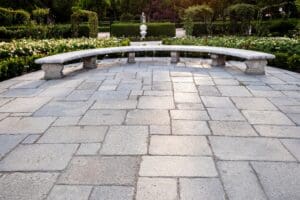
- Concrete walkways, steps, and patios
Each of these is exposed to moisture, temperature swings, and ground movement, making routine inspections critical.
Essential Masonry Maintenance Tasks NJ Homeowners Should Know
Repointing (Tuckpointing) Mortar Joints
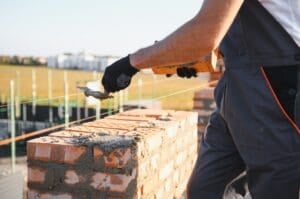
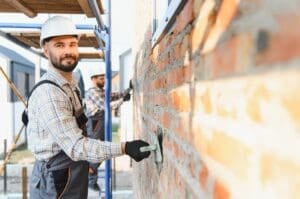
- Mortar is designed to fail before brick or stone, and that’s a good thing. But when mortar erodes too far, water can penetrate deep into the wall. Repointing involves removing deteriorated mortar and replacing it with fresh material that matches the original composition. This restores strength, improves water resistance, and extends the structure’s service life.
Cleaning and Efflorescence Removal
White, powdery residue on masonry surfaces, called efflorescence, is a sign that moisture is moving through the wall and bringing salts to the surface. Skip the pressure washer. High-pressure cleaning can permanently damage brick faces. Instead, gentle cleaning with a soft brush and mild detergent is the safest approach.
Waterproofing and Sealing
- A breathable masonry sealer is one of the smartest investments NJ homeowners can make. These sealers repel rain while allowing trapped moisture to escape, reducing freeze-thaw damage without trapping water inside the wall.
Chimney Inspections and Repairs
Chimneys are especially vulnerable because they’re exposed on all sides and often overlooked. Annual inspections can catch cracked crowns, failing mortar, and flashing issues before they lead to leaks or worse.
Warning Signs Your Masonry Needs Professional Attention
Most masonry failures don’t happen overnight. They give warnings first. Watch for the following warning signs:
- Hairline cracks that continue to grow
- Spalling or flaking brick and stone
- Leaning or bulging retaining walls
- Gaps or crumbling mortar joints
If you spot any of these, it’s time to act. Waiting usually means higher repair costs later.
Drainage and Landscaping: The Hidden Factor in Masonry Damage
Many masonry problems aren’t caused by the wall itself, but by water management issues nearby.
What to Check Around Your Home
- Gutters and downspouts should direct water at least 6 feet away from the foundation
- Soil grading should slope away from the home (about 6 inches over 10 feet)
- Weep holes at the base of brick walls must remain open to allow moisture to escape
Blocked drainage is one of the most common and preventable causes of masonry failure in NJ.
When to Hire a Masonry Professional in New Jersey
Older homes across NJ often require specialized restoration work. Matching historic mortar, brick, or stone isn’t a DIY project, and using the wrong materials can cause more damage than the original problem.
A professional masonry contractor understands:
- Proper mortar composition for NJ climates
- Seasonal timing (most masonry work stops once temperatures drop below freezing)
- How to identify structural risks before they become hazards
For chimneys, in particular, an annual professional inspection is strongly recommended.
Safety Questions Homeowners Often Ask
What maintenance do brick houses need?
Routine inspections, repointing, cleaning, sealing, and proper drainage management.
What are the most common masonry hazards?
Loose bricks, failing mortar, and structural instability caused by water intrusion.
What does a mason actually do?
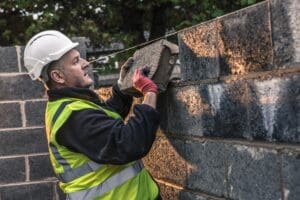
A mason installs, repairs, restores, and reinforces brick, stone, and concrete structures to ensure long-term durability and safety.
Protect Your Masonry Before Small Issues Become Big Repairs
Too many New Jersey homeowners end up spending thousands because early warning sig
ns were ignored. Regular inspections and timely maintenance can add decades to the life of your masonry—and save serious money.
If this feels overwhelming, Pete’s Concrete & Masonry can handle it. With deep experience working on NJ homes and an understanding of how local weather affects masonry, their team delivers honest assessments and durable solutions. For more information, call 201-674-1827 today to schedule a masonry inspection or discuss repairs before the next season takes its toll.