If you’re a New Jersey homeowner with a brick chimney, stone retaining wall, concrete driveway, or patio, this article is for you. Every winter in North Jersey, temperatures swing above and below freezing, sometimes within the same 24 hours. You may notice cracks forming in your driveway, mortar crumbling between bricks, or pieces of stone flaking off. It’s frustrating, especially when you invested in masonry because it’s supposed to last decades. The truth is, freeze-thaw damage is predictable in our climate, but it’s also preventable. At Pete’s Concrete & Masonry, we help homeowners identify early warning signs and reinforce their masonry before minor damage turns into structural repairs. Let’s break down exactly what’s happening.
What Is a Freeze-Thaw Cycle?
- A freeze-thaw cycle occurs when water seeps into porous masonry materials like brick, stone, concrete, or mortar and temperatures drop below 32°F. As the trapped water freezes, it expands by roughly 9%, creating internal pressure within the material. When temperatures rise, the ice melts, and the water may penetrate even deeper into tiny cracks and pores. Then the process repeats, sometimes daily during New Jersey winters.
It’s this constant expansion and contraction that causes the real damage. One freeze may not cause visible problems, but dozens of cycles over a season are when cracks begin to form, and masonry starts to deteriorate. It’s not the cold alone that causes damage. It’s moisture plus repeated temperature swings. And in Bergen, Passaic, Essex, and surrounding counties, we get plenty of both.
How Does Freeze-Thaw Damage Masonry?
1. Surface Spalling (Flaking and Chipping)
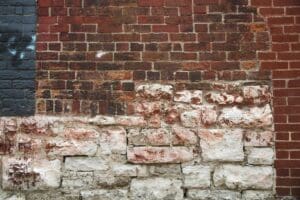
Spalling is one of the most visible signs of freeze-thaw damage. It occurs when internal pressure causes the surface layer of brick, stone, or concrete to detach. You’ll commonly see this on:
- Brick steps exposed to snow
- Concrete sidewalks
- Retaining wall faces
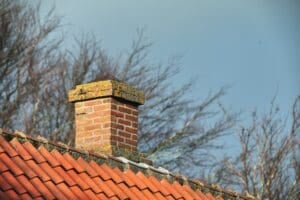
- Chimney bricks above the roofline
At first, it may look cosmetic. Signs such as small chips, slight flaking but once the protective outer layer is compromised, water infiltrates more easily, accelerating the deterioration. Too many homeowners ignore early spalling and end up replacing entire sections later.
2. Cracking and Structural Stress
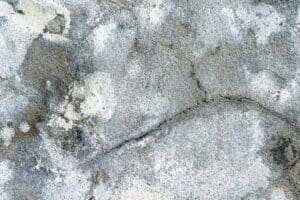
Repeated freeze-thaw cycles create internal hydraulic pressure. Over time, hairline cracks widen and deepen. In driveways and patios, this often starts as:
- Thin surface cracks
- Uneven slabs
- Minor shifting
But when water continues to enter those cracks and freeze, the damage compounds. Eventually, cracks become structural, leading to:
- Settlement
- Trip hazards
- Drainage problems
- Full slab replacement
Concrete that wasn’t properly air-entrained during installation is especially vulnerable.
3. Mortar Joint Deterioration
Mortar is typically more porous than brick or natural stone, which makes it a prime target for freeze-thaw damage. As water infiltrates mortar joints and freezes, expansion causes:
- Crumbling mortar
- Gaps between bricks
- Loose masonry units
- Increased water penetration
Once mortar joints fail, the entire masonry assembly weakens. Chimneys begin leaning. Retaining walls start bulging. Facades lose stability. This is why repointing (removing and replacing damaged mortar) is one of the most important preventative services in our region.
4. Why Daily Temperature Swings Are More Destructive
- Sustained freezing is tough, but fluctuating temperatures are worse. A week of consistent 25°F weather causes stress. A week bouncing between 28°F at night and 42°F during the day? That’s continuous expansion and contraction. New Jersey winters are known for exactly this pattern. Every swing increases internal stress in masonry. The more cycles, the more fatigue the material experiences. It’s similar to repeatedly bending a paperclip. Eventually, it snaps.
How Do You Protect Concrete From Freeze-Thaw?
This is one of the most common questions homeowners search for, and the answer comes down to moisture control and material quality.
1. Apply a Breathable Waterproof Sealer
A proper masonry sealer reduces water absorption while allowing trapped vapor to escape. Masonry must breathe. Non-breathable coatings trap moisture inside, which can exacerbate freeze-thaw damage.
Breathable water repellents:
- Reduce absorption rates
- Extend surface life
- Protect against scaling
- Improve durability in winter
Sealing is especially beneficial for:
- Concrete driveways
- Brick patios
- Retaining walls
- Chimneys
2. Repoint Damaged Mortar Immediately
Cracked mortar joints are entry points for water. Repointing involves:
- Removing deteriorated mortar
- Installing new mortar matched to the original strength and composition
- Restoring joint integrity
Matching mortar correctly is critical. Mortar that is too strong can cause the brick to crack instead of the joint absorbing movement. At Pete’s Concrete & Masonry, we ensure mortar mixes are appropriate for both the structure and New Jersey’s climate.
3. Improve Drainage Around Your Home
Water management is everything. For optimal water management, check for:
- Clogged gutters
- Downspouts discharging near foundations
- Poor grading
- Standing water near patios
- Negative slope toward masonry walls
Downspouts should extend several feet away from foundation walls. Splash blocks should direct runoff outward. Improper drainage is one of the most overlooked causes of freeze-thaw damage.
4. Use Air-Entrained Concrete for New Installations
When installing new concrete, air entrainment is essential. Air-entrained concrete contains 4%–6% microscopic air bubbles that act as relief chambers for water that freezes.
Without air entrainment:
- Surface scaling increases
- Cracking becomes more likely
- Lifespan decreases significantly
Proper mix design is not optional in New Jersey. It’s mandatory for longevity.
5. Avoid De-Icing Salts
Rock salt accelerates surface deterioration. It:
- Increases moisture absorption
- Promotes scaling
- Breaks down concrete paste
- Compounds freeze-thaw stress
Use sand for traction when possible. If de-icers are necessary, consider less corrosive alternatives and rinse surfaces once temperatures rise. Salt damage, combined with freeze-thaw cycles, is one of the fastest ways to damage a driveway surface.
What Are the Effects of Repeated Freeze-Thaw Action?
Over multiple seasons, freeze-thaw damage can lead to:
- Surface scaling
- Deep cracking
- Bowed retaining walls
- Chimney instability
- Trip hazards
- Foundation leaks
- Full masonry reconstruction
Early repairs may cost hundreds. Delayed repairs can cost thousands. That’s the difference.
Signs Your Masonry May Already Be Affected
The following signs indicate that your masonry has already been affected:
- Flaking brick surfaces
- White powder deposits (efflorescence)
- Loose or missing mortar
- Cracks wider than 1/8 inch
- Leaning chimneys
- Uneven patio slabs
- Water intrusion in basements
If you’re noticing multiple signs, it’s time for an evaluation.
Why Freeze-Thaw Damage Is So Common in New Jersey
Our region experiences:
- High winter precipitation
- Snow accumulation
- Rain followed by freezing nights
- Frequent temperature swings
That combination creates ideal conditions for water infiltration and expansion stress. Brick homes, stone retaining walls, and concrete driveways are common throughout North Jersey. Without proper installation and maintenance, they’re vulnerable.
When to Call a Masonry Professional
Call a professional if you see the following warning signs:
- Mortar falling out.
- Cracks are expanding over time.
- Spalling larger than a few inches.
- Bulging or bowing walls.
- Water is entering your basement.
At Pete’s Concrete & Masonry, we provide honest assessments and practical solutions. Sometimes it’s a straightforward repair. Sometimes partial rebuilding is necessary. But knowing early prevents major structural issues later.
Protect Your Masonry Before the Next Freeze
If you’ve noticed cracking, flaking, or mortar deterioration, or you want to reinforce your masonry before winter returns, now is the time to act. Pete’s Concrete & Masonry specializes in:
- Brick and stone repair
- Mortar repointing
- Concrete driveways
- Retaining wall construction
- Patio and walkway restoration
We build and repair masonry specifically for New Jersey’s demanding climate. Call 201-674-1827 today to schedule an inspection or discuss your project. A small repair today can prevent a major rebuild tomorrow. Let’s ensure your masonry stands strong through every freeze-thaw cycle.