For homeowners looking to upgrade their property’s appearance with the timeless look of natural stone, choosing the right material can feel overwhelming. Many worry about durability, maintenance requirements, and whether a stone veneer installation will withstand New Jersey’s harsh winters, heavy rains, and freeze-thaw cycles. Understanding how stone veneer works and how long it lasts can help you make a confident investment. At Pete’s Concrete & Masonry, we help North Jersey homeowners choose and install stone masonry solutions that combine lasting beauty with long-term performance.
A well-installed stone veneer can dramatically transform a home’s curb appeal without the cost and structural demands of full-thickness stone masonry. In many cases, visitors can’t even tell the difference.
What Is Stone Veneer?
Stone veneer is a decorative, non-structural layer of stone applied to interior or exterior surfaces. It provides the appearance of traditional stone construction while using significantly less material.
Unlike full-bed stone, which can be several inches thick and extremely heavy, stone veneer is typically much thinner and lighter. This makes it suitable for a wide range of applications without requiring extensive structural support. Common stone veneer applications include:
- House facades
- Foundation coverings
- Outdoor kitchens
- Retaining walls
- Fireplace surrounds
- Entryways
- Columns and pillars
- Accent walls
Homeowners often choose stone veneer because it delivers the classic look of stone masonry at a more affordable price point.
Is Stone Veneer Real or Fake?
This is one of the most common questions homeowners ask. The answer depends on the type of stone veneer being used.
Natural Stone Veneer
- Natural stone veneer is made from real stone quarried from the earth. Large stones are cut into thinner sections that can be installed on walls and structures. Because it’s the genuine stone, each piece features unique textures, colors, and patterns that cannot be perfectly replicated.
Manufactured Stone Veneer
Manufactured stone veneer, sometimes called faux stone, is created using Portland cement, lightweight aggregates, and iron oxide pigments. It is molded to resemble natural stone. Modern manufacturing techniques have improved significantly over the years, making high-quality manufactured stone difficult to distinguish from real stone at a glance.
Composite Stone Veneer
- Composite stone veneer combines crushed natural stone with advanced polymer binders to create a lightweight and durable product that mimics natural stone’s appearance. Each option has advantages depending on budget, design goals, and performance expectations.
How Long Does Stone Veneer Last?
The lifespan of stone veneer depends largely on the material used and the quality of installation.
Natural Stone Veneer Lifespan
Natural stone veneer can last 50 years or more. In many cases, it lasts over 100 years with proper installation and maintenance. Because it is real stone, it naturally resists:
- UV fading
- Weather damage
- Impact damage
- Temperature fluctuations
Many historic stone structures throughout the Northeast demonstrate the remarkable longevity of natural stone.
Manufactured Stone Veneer Lifespan
Manufactured stone veneer generally lasts between 20 and 50 years. Many manufacturers offer warranties ranging from 20 to 50 years, depending on the product. The actual lifespan often depends on:
- Installation quality
- Moisture management
- Climate conditions
- Maintenance practices
Composite Stone Veneer Lifespan
Composite stone veneer typically lasts between 30 and 75 years. Its engineered design often provides enhanced resistance to moisture and environmental wear compared to some traditional manufactured products.
Quick Answer: How Long Does Stone Veneer Last?
Natural stone veneer typically lasts 50 to 100+ years, manufactured stone veneer generally lasts 20 to 50 years, and composite stone veneer often lasts 30 to 75 years. Proper installation and moisture management are the biggest factors affecting longevity.
What Factors Affect Stone Veneer’s Lifespan?
Many homeowners focus only on the product itself. Installation quality often matters even more.
Proper Installation Is Critical
A beautiful stone veneer installation can fail prematurely if moisture becomes trapped behind the stone. Professional installers use:
- Weather-resistant barriers
- Drainage systems
- Proper flashing
- Appropriate mortar products
- Correct installation techniques
Without these components, water intrusion can lead to deterioration, cracking, or separation over time. This is one reason why experienced stone masonry contractors are so important.
New Jersey’s Freeze-Thaw Cycles
North Jersey homeowners face unique challenges. Water can seep into tiny openings in masonry. When temperatures drop below freezing, that water expands. Over repeated freeze-thaw cycles, this expansion can create:
- Cracks
- Loose stones
- Mortar deterioration
- Surface damage
Proper drainage and installation techniques help minimize these risks.
Exposure to Moisture
Stone veneer performs best when water is directed away from the structure. Poor drainage around foundations, gutters that overflow, or improperly sealed installations can shorten lifespan considerably.
Routine Maintenance
- Stone veneer requires relatively little maintenance, but occasional cleaning and inspections help maximize longevity. Small issues caught early often prevent larger repairs later.
What Are the Disadvantages of Stone Veneer?
While stone veneer offers many benefits, homeowners should understand the potential drawbacks.
Installation Must Be Done Correctly
- Stone veneer isn’t particularly forgiving when installation mistakes occur. Improper moisture management can lead to costly repairs.
Manufactured Stone May Fade Over Time
Although modern products perform well, some manufactured stone products may experience slight color fading after decades of UV exposure.
Repairs Can Be Challenging
- Matching older stone veneer products during repairs can sometimes be difficult, especially if the original product has been discontinued.
Impact Resistance Varies
Natural stone generally offers greater durability than some manufactured alternatives when subjected to heavy impacts. Despite these considerations, properly installed stone veneer remains one of the most durable and attractive exterior finishing options available.
Can Stone Veneer Be Removed?
Yes, stone veneer can be removed. However, removal can be labor-intensive depending on the installation method and the substrate underneath. Homeowners typically remove stone veneer when:
- Renovating a property
- Updating exterior designs
- Repairing underlying structural issues
- Replacing damaged installations
Professional removal is recommended to avoid damaging the underlying wall system.
How Do You Maintain Stone Veneer?
One of stone veneer’s biggest advantages is its low maintenance requirements. To help maximize lifespan, do the following:
Clean Gently:
- Use Soft-bristle brushes, mild detergent, and water. Avoid harsh chemicals whenever possible.
Avoid Power Washing Manufactured Stone
Many homeowners make this mistake. High-pressure washing can damage protective coatings and strip pigments from manufactured stone veneer, leading to discoloration and premature wear.
Inspect Annually
- During annual inspection, look for cracked mortar joints, loose stones, water stains, and drainage problems. Addressing minor issues early can significantly extend the life of the installation.
Stone Veneer vs Full Stone Masonry
| Feature | Stone Veneer | Full Stone Masonry |
| Weight | Lightweight | Extremely heavy |
| Cost | Lower | Higher |
| Installation Time | Faster | Longer |
| Structural Support Needed | Minimal | Significant |
| Appearance | Similar to real stone | Authentic stone |
| Lifespan | 20-100+ years | 100+ years |
For many homeowners, stone veneer offers an ideal balance between aesthetics, performance, and budget.
Why Stone Veneer Is Popular in North Jersey
Stone veneer works particularly well throughout North Jersey because it complements many architectural styles found in towns such as Ridgewood, Wyckoff, Franklin Lakes, Wayne, and surrounding communities. Homeowners frequently use stone veneer to:
- Increase curb appeal.
- Modernize older homes.
- Enhance outdoor living spaces.
- Improve property value.
- Create upscale architectural features.
When installed properly, stone veneer stands up remarkably well to New Jersey’s changing seasons while delivering a timeless appearance.
Choosing the Right Stone Masonry Contractor
Too many homeowners spend thousands on exterior upgrades only to discover years later that moisture issues were hidden behind the stone. The best stone veneer installations combine quality materials with expert craftsmanship. An experienced masonry contractor understands:
- Proper drainage systems.
- Local climate challenges.
- Material selection.
- Building code requirements.
- Long-term performance considerations.
This expertise can make the difference between an installation that lasts decades and one that requires premature repairs.
Frequently Asked Questions
How long does real stone veneer last?
Natural stone veneer can last 50 years or more and often exceeds 100 years when properly installed and maintained.
Is stone veneer real or fake?
Stone veneer can be either real or manufactured. Natural stone veneer is cut from genuine quarried stone, while manufactured stone is made from cement, aggregates, and pigments designed to mimic natural stone.
What are the disadvantages of stone veneer?
The primary disadvantages include the need for proper installation, potential moisture issues if installed incorrectly, and the possibility of color fading in some manufactured products over time.
Can stone veneer be removed?
Yes. Stone veneer can be removed, although the process can be labor-intensive and may require professional assistance to avoid damaging underlying surfaces.
Trust Pete’s Concrete & Masonry for Professional Stone Masonry Services
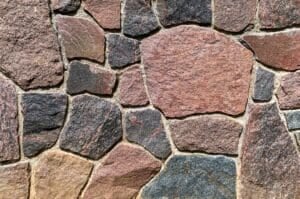
Whether you’re considering a stone veneer accent wall, a complete exterior transformation, a retaining wall, or another masonry project, proper installation is essential for long-term durability and performance.
At Pete’s Concrete & Masonry, we bring decades of hands-on masonry experience to every project throughout North Jersey. Pete personally takes pride in delivering craftsmanship that not only looks beautiful today but continues to perform for years to come.
If you’re thinking about adding stone veneer or other masonry features to your property, contact Pete’s Concrete & Masonry today at 201-674-1827 to discuss your project and receive expert guidance from a trusted local masonry contractor.