Brick vs. Stone in NJ? Which One Performs Best Year-Round
This article is for New Jersey homeowners, property managers, and builders who are planning a new patio, walkway, retaining wall, or exterior masonry feature and want it to last for decades, not just look good the first few years. The challenge is that New Jersey’s climate is unforgiving: constant freeze-thaw cycles, heavy rain, snow, humidity, and temperature swings can quietly destroy masonry if the wrong material is chosen.
At Pete’s Concrete & Masonry, we’ve spent years building and repairing masonry across New Jersey, and we’ve seen firsthand which materials truly hold up and which ones require costly fixes later. This guide breaks it down clearly so you can make the right call from the start.
Why New Jersey Weather Is Tough on Masonry Materials
New Jersey doesn’t give masonry an easy life. Between winter freezes, spring rain, humid summers, and sudden temperature drops in the fall, masonry materials constantly expand and contract, absorbing moisture. This creates the perfect conditions for cracking, spalling, and mortar failure if the material or installation isn’t right.
Too many homeowners spend thousands on beautiful masonry only to see cracks, loose stones, or deteriorating joints within a few seasons. Most of the time, it’s not bad luck; it’s a mismatch between material choice and local weather.
Brick vs. Stone: Performance Comparison in New Jersey’s Climate
Let’s break down how brick and stone actually perform when exposed to real New Jersey conditions.
Durability Over Time
- Brick is durable, but it’s more vulnerable to surface damage over time, especially during repeated freeze-thaw cycles. Small cracks or chips can form when moisture enters the brick and freezes. Natural stone, on the other hand, is extremely durable. Dense stone types like granite or bluestone are far more resistant to cracking and surface breakdown, even after decades of exposure.
Freeze-Thaw Resistance
Brick is porous by nature. While high-density, frost-rated brick performs better, water absorption is still a concern if mortar joints or sealing fail. Stone, particularly non-porous or tightly grained stone, absorbs less water overall. That means less internal freezing and far less long-term damage. In New Jersey winters, that difference matters.
Moisture Resistance and Drainage
- Brick can manage moisture well when installed correctly, but it relies heavily on proper flashing, drainage, and ongoing mortar maintenance. Once water gets behind brickwork, problems can escalate fast. Stone naturally sheds moisture more effectively, especially when paired with modern drainage systems and proper base preparation. It’s far more forgiving when weather conditions turn harsh.
Maintenance Requirements
Brick generally looks low-maintenance day to day, but mortar joints require periodic inspection and repointing. In New Jersey, failing mortar is one of the most common causes of brick failure. Stone requires very little maintenance in comparison. Occasional cleaning or resealing may be needed depending on the stone type, but structural repairs are far less common.
Thermal Performance
- Both brick and stone offer high thermal mass, helping regulate temperature swings. Brick tends to perform slightly better as an insulator, while some stone types transfer heat more readily. That said, for exterior masonry features like patios, walkways, and retaining walls, thermal performance is far less important than moisture resistance and durability.
Which Lasts Longer: Brick or Stone in New Jersey?
This is one of the most common questions homeowners ask. Stone almost always lasts longer in New Jersey’s climate. When properly installed, natural stone can last 50–100 years or more with minimal intervention. Brick can also last decades, but it typically requires more maintenance over its lifespan, especially in areas prone to snow buildup, drainage issues, or shaded, moist conditions.
Why Some Homeowners Still Choose Brick
Brick isn’t a bad material; it’s just more sensitive to NJ conditions.
Homeowners often choose brick because:
- It’s typically more affordable upfront
- It offers a classic, uniform appearance
- It works well for certain architectural styles
When installed with high-quality materials and maintained properly, brick can perform well. But it leaves less margin for error in New Jersey’s climate.
Why Stone Is Often the Better Investment in New Jersey
Stone costs more upfront, but it pays off in the long term. Stone masonry offers:
- Superior resistance to freeze-thaw damage
- Less water absorption
- Fewer long-term repairs
- Higher perceived value and curb appeal
For patios, walkways, retaining walls, and outdoor living spaces in New Jersey, stone consistently outperforms brick when installed correctly.
Installation Matters More Than Material Alone
No masonry material survives New Jersey weather without proper installation. Both brick and stone require:
- A well-prepared base
- Proper drainage systems
- High-quality mortar suited for freeze-thaw conditions
- Correct spacing and joint work
This is where many projects fail. The material may be solid, but shortcuts during installation lead to water infiltration, shifting, and premature damage. At Pete’s Concrete & Masonry, we don’t treat installation as an afterthought. We design every masonry project specifically for New Jersey conditions, including soil movement, moisture flow, and seasonal temperature swings.
Is Stone or Brick Cheaper in New Jersey?
Brick is usually cheaper upfront. Stone costs more initially but often saves money in the long term due to fewer repairs and less maintenance. Many homeowners who choose brick end up paying later for repointing, sealing, or partial rebuilds, especially in high-moisture or high-traffic areas.
Final Verdict: Brick vs. Stone in New Jersey Weather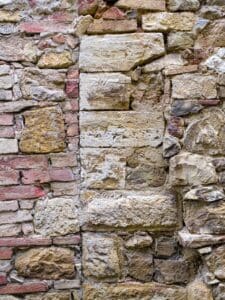
If long-term performance is the priority, stone is the clear winner in New Jersey. Brick can work when installed and maintained correctly, but stone offers greater durability, better moisture resistance, and a longer lifespan in our harsh climate. For most outdoor masonry projects in New Jersey, stone is simply the safer investment.
Ready to Build Something That Actually Lasts?
If you’re weighing brick vs. stone and want honest guidance, not guesswork, Pete’s Concrete & Masonry can help. We’ve built and repaired masonry across New Jersey long enough to know what holds up and what doesn’t.
Whether you’re planning a new stone patio, walkway, retaining wall, or full masonry upgrade, we’ll help you choose the right material and install it the right way. For more information, call Pete’s Concrete & Masonry at 201-674-1827 or visit https://petesconcretemasonry.com/ to get started.