Understanding Mortar Fails and the Benefits of Repointing
Many property owners notice crumbling mortar, gaps between bricks, or white staining on their walls and worry they’re facing a major structural problem or a massive repair bill. The truth is, failing mortar is common, especially in New Jersey’s freeze-thaw climate, and when it’s addressed early, it’s one of the most manageable masonry issues to fix. At Pete’s Concrete & Masonry, we help homeowners protect their investment by diagnosing mortar problems correctly and using professional repointing techniques that restore strength, prevent water damage, and dramatically extend the life of masonry structures.
Why Mortar Is Designed to Fail First (And Why That’s a Good Thing)
Many homeowners don’t realize that mortar is supposed to fail before the brick or stone does. Mortar is intentionally softer and more permeable than the masonry units it holds together. This allows it to absorb moisture, temperature changes, and subtle movement in the structure. When mortar deteriorates, it sacrifices itself to prevent the brick or stone from cracking or crumbling.
The problem starts when that failing mortar is ignored for too long.
How Does Mortar Fail?
Mortar failure isn’t random. It usually happens slowly, then all at once, right when homeowners notice chunks falling out or water leaking inside.
Weather and Environmental Exposure
In New Jersey, repeated freeze-thaw cycles are brutal on masonry. Water seeps into tiny cracks in the mortar. When temperatures drop, that water freezes and expands. Over time, the mortar breaks apart from the inside. Add wind-driven rain, snow buildup, and summer heat, and the deterioration accelerates.
Water Infiltration
Once mortar joints open up, water penetrates deeper into the wall. This leads to:
- Efflorescence (that white, powdery residue on brick).
- Spalling, where the brick’s face flakes or pops off.
- Corrosion of embedded metal, known as rust jacking.
At that point, repairs get much more expensive.
Natural Aging
- Even perfectly installed mortar doesn’t last forever. Most mortar joints have a lifespan of 20 to 50 years, depending on exposure, materials, and maintenance. As it ages, the fine particles wash away, leaving the mortar sandy, brittle, and weak.
Poor Workmanship or Incompatible Materials
Using modern, hard cement mortar on older brick buildings is a recipe for damage. Older bricks were made to work with softer, lime-based mortar. When rigid mortar is used, the wall can’t breathe or move naturally, and the bricks start to crack or spall instead. Improper curing, rushing the job, or repointing in extreme heat or freezing weather can also cause premature failure.
Structural Movement
- Settlement, nearby construction vibrations, or normal thermal expansion can crack mortar joints, especially if the mortar is too rigid to accommodate movement.
What Causes Mortar to Fall Out?
Mortar usually falls out when deterioration reaches a tipping point. The bond between the brick and mortar weakens, moisture freezes inside the joint, and gravity finishes the job. Homeowners often notice this after a harsh winter or heavy storm. Loose mortar is a warning sign. Once you see it, water is already getting where it shouldn’t.
What Is Repointing (And What It Isn’t)
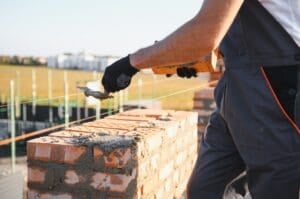
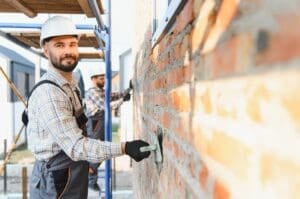
Repointing is the process of carefully removing the damaged outer portion of mortar joints and replacing it with new, properly matched mortar. It is not smearing new mortar over old joints. That shortcut traps moisture, leading to faster failure.
Proper repointing requires:
- Grinding or hand-removing deteriorated mortar to the correct depth
- Use a compatible mortar mix (especially critical for older masonry).
- Correctly compacting and curing the new mortar.
This is craftsmanship, not a patch job.
How Repointing Extends Masonry Lifespan
It Stops Water Damage at the Source
- Repointing restores the mortar joints, which serve as the wall’s primary weather barrier. Sealing gaps prevents water intrusion that leads to mold, rot, interior damage, and structural deterioration.
It Restores Structural Integrity
Mortar is what distributes the load across a masonry wall. When joints are restored, the wall regains its ability to withstand weight and resist lateral forces, such as wind.
It Protects the Brick or Stone
- Correctly matched mortar remains softer than the masonry units, allowing it to continue acting as the sacrificial element. That means fewer cracked bricks and longer wall life.
It Improves Energy Efficiency and Pest Control
Open joints let air and pests inside. Repointing seals those pathways, improving insulation and reducing energy loss, something homeowners feel almost immediately.
It Brings Back Curb Appeal
- Fresh, properly matched mortar dramatically improves the appearance of brick and stone. It’s one of the few repairs that improves both performance and property value at the same time. When done correctly, professional repointing can last 25 to 50 years.
What Are the Problems With Repointing?
Repointing only becomes a problem when it’s done incorrectly. Common mistakes include using mortar that’s too hard, failing to remove enough old material, poor curing, or rushing the process. That’s why hiring an experienced masonry contractor matters. Done right, repointing protects your structure. Done wrong, it accelerates damage.
When Should You Call a Masonry Professional?
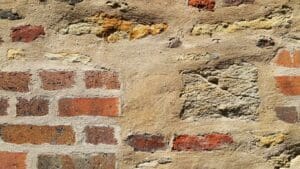
If you notice crumbling joints, loose mortar, water stains on interior walls, or bricks flaking apart, it’s time for a professional evaluation. At Pete’s Concrete & Masonry, we don’t push unnecessary work. Pete himself often answers the phone and takes the time to explain what’s happening with your masonry, what actually needs repair, and what can wait. Whether it’s a small section of repointing or a larger masonry restoration, the goal is always the same: protect your structure and extend its lifespan.
If this feels overwhelming, you don’t have to figure it out alone. Call Pete’s Concrete & Masonry at 201-674-1827 to schedule an honest masonry assessment and learn whether repointing is the right solution for your property.